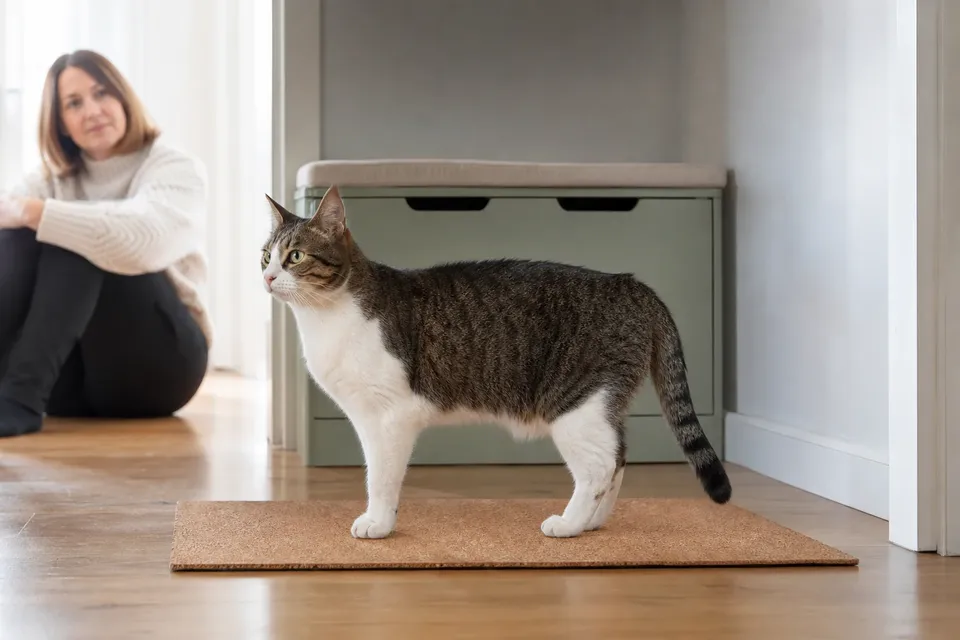
Cat Body Condition Score: Start With the Ribs
Use a gentle rib check, waist view, and side profile to understand cat body condition, record the scoring scale, and bring uncertain or changing findings to a vet.
Updated
Health-adjacent guides for noticing care signals, preparing questions, and knowing when veterinary help matters.
Use a gentle rib check, waist view, and side profile to understand cat body condition, record the scoring scale, and bring uncertain or changing findings to a vet.
Estimate a kitten’s age by week using eyes, ears, teeth, movement and weight, with a clear chart and next steps for found kittens.
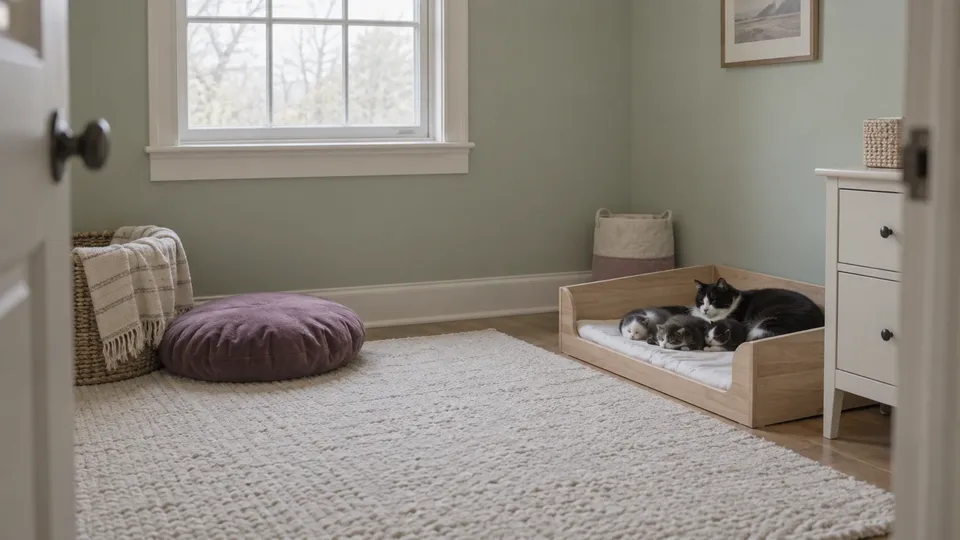
A mother cat moving kittens may need a quieter place. Check the new location, observe ongoing care, reduce disturbance, and know when to call your vet.
Prepare clear cat sitter instructions for each cat's meals, water, litter, access, visit updates, veterinary contacts, and decisions when you cannot be reached.
Cat pregnancy lasts about 65 days, or nine weeks. Understand known and unknown mating dates, calculator limits, nesting preparation, and when to contact a vet.
Compare cat years with human years, then use kitten, young adult, mature adult, and senior life stages to make better care observations.
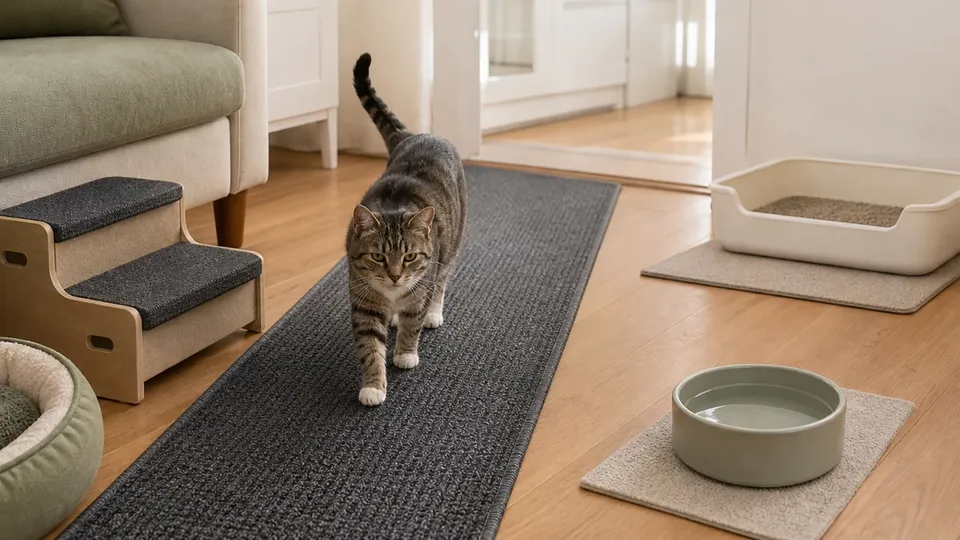
Set up a senior cat home with lower litter access, non-slip paths, reachable water, stable steps, easy rest spots, and clear vet warning signs.
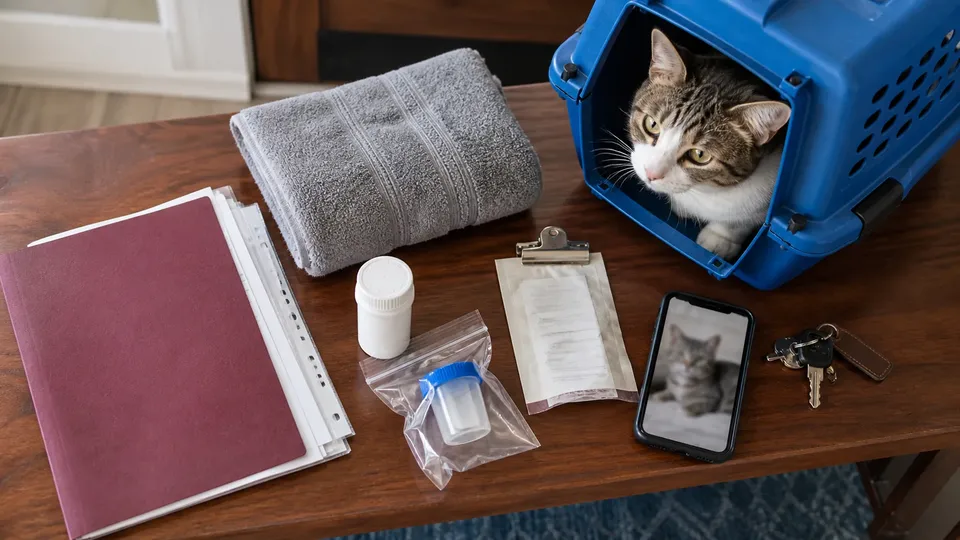
Prepare for a cat vet visit with a concise symptom timeline, medication and food details, photos or videos, records, questions, and a secure carrier.
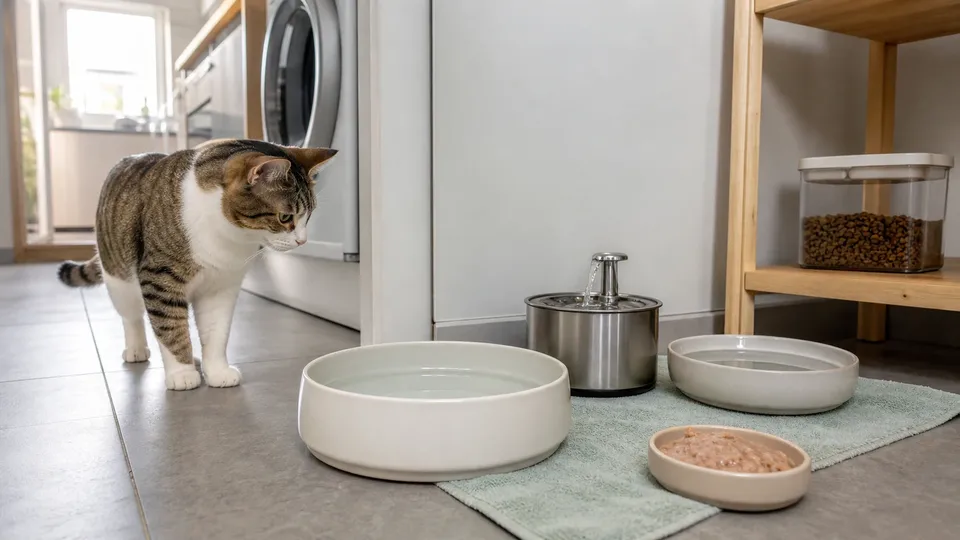
Improve cat hydration at home with better water placement, clean bowls, fountains, wet food moisture, and warning signs that need a vet.
Start with weight and body condition, then work through calories and portions.
Understand the timing, estimate a due window, and get the room ready.